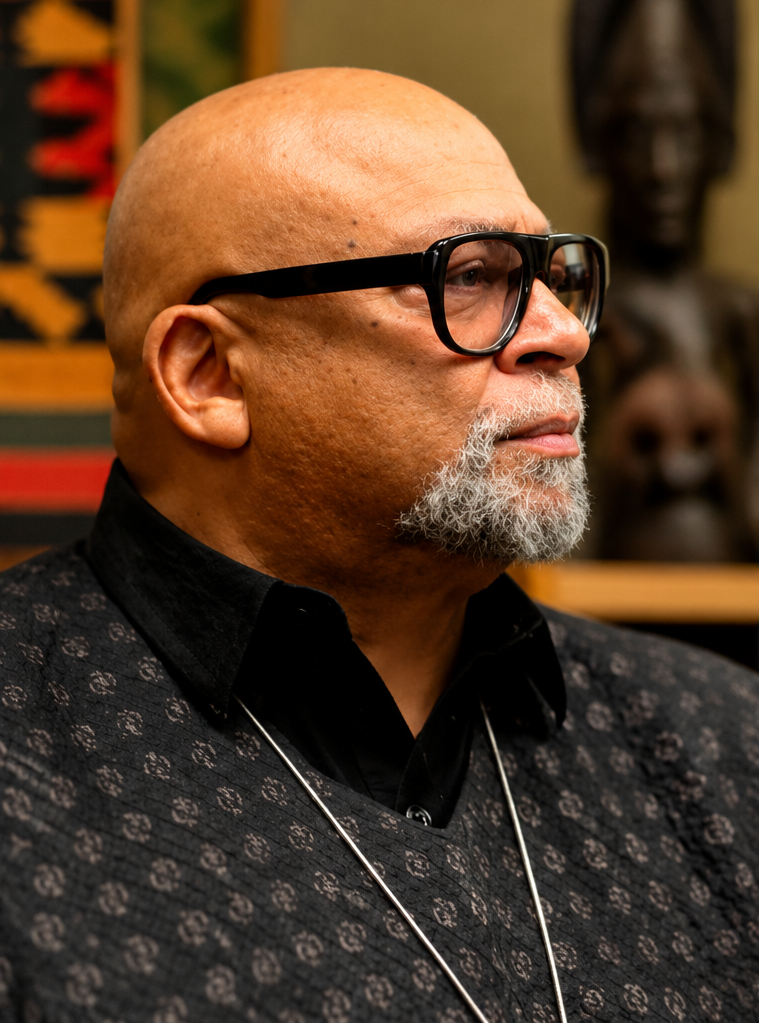
Dr. Maulana Karenga
Founder & creator
The recognized creator of Kwanzaa, Dr. Karenga led the founding organization and contributed the holiday’s principal ideas. His work on Kawaida philosophy and the Nguzo Saba continues to inform the celebration.
1966 — 2026 · A 60th anniversary celebration
Honoring the people, principles, and possibilities that bring Kwanzaa to life—yesterday, today, and for generations to come.
Created in 1966, Kwanzaa is an African American and Pan-African celebration of family, community, and culture. As we mark its 60th anniversary, we honor the people who brought it into being, the generations who have carried it forward, and the children who will shape what comes next.
Meet the people behind KwanzaaA child’s question helped inspire a celebration. A community’s work brought it to life.
In December 1965, ten-year-old Kinamo Damu listened as her father, Ngao Damu, and Dr. Maulana Karenga discussed holidays and cultural practices. She wanted to know how African people celebrated and what children would enjoy in their own community. Her questions—and her call for a holiday of their own—helped spark the work that followed.
Under Dr. Karenga’s leadership, members of the Us Organization researched African cultural celebrations in Los Angeles libraries. George Subira led the research committee, which included Ngao Damu, Kicheko Davis, and others. Their shared work helped shape Kwanzaa’s practices, grounded in African first-fruits celebrations and connected to the Nguzo Saba.
By the fall of 1966, the research had developed into a new holiday. Its seven-day structure joined the celebration to the Seven Principles, and its first observances took place in Los Angeles. The tradition has continued to grow through the efforts of many people across generations.
Read the complete creation story on Kwanzaa.org
These introductions are adapted from the Kwanzaa Creators page. Follow the link above for the fuller biographies, photographs, and interviews.
Founder & creator
The recognized creator of Kwanzaa, Dr. Karenga led the founding organization and contributed the holiday’s principal ideas. His work on Kawaida philosophy and the Nguzo Saba continues to inform the celebration.

Terri Bandele
The question that inspired
As a ten-year-old, Kinamo’s questions about African holiday traditions helped inspire Kwanzaa. She recalls her family making the first kinara from driftwood and candle holders, and has remained connected to the holiday.

Elder & contributor
A respected elder of the Us Organization and Kinamo’s father, Ngao Damu participated in the research and early development of Kwanzaa. His family played a meaningful part in the first celebration.

Educator & researcher
A cultural school teacher and member of the research committee, Kicheko Davis helped study African cultural celebrations. Her teaching, artistic work, and recollections connect the creation story to the children who first called for the holiday.

Research committee leader
George Subira was selected to lead the committee researching traditions that informed Kwanzaa. An educator and author, he later became known for his work on Black business and economic empowerment.

Kwanzaa ambassador
Known as the “Mother of Kwanzaa,” Sister Makinya helped teach and organize Kwanzaa celebrations from the San Francisco Bay Area, sharing its message widely.

Kwanzaa ambassador
A major voice in the Black Arts Movement, Amiri Baraka helped spread Kwanzaa and the teachings of Kawaida on the East Coast, alongside his cultural and community work in Newark.
01 / 07
Story and photographs from Kwanzaa.org’s Kwanzaa Creators page.
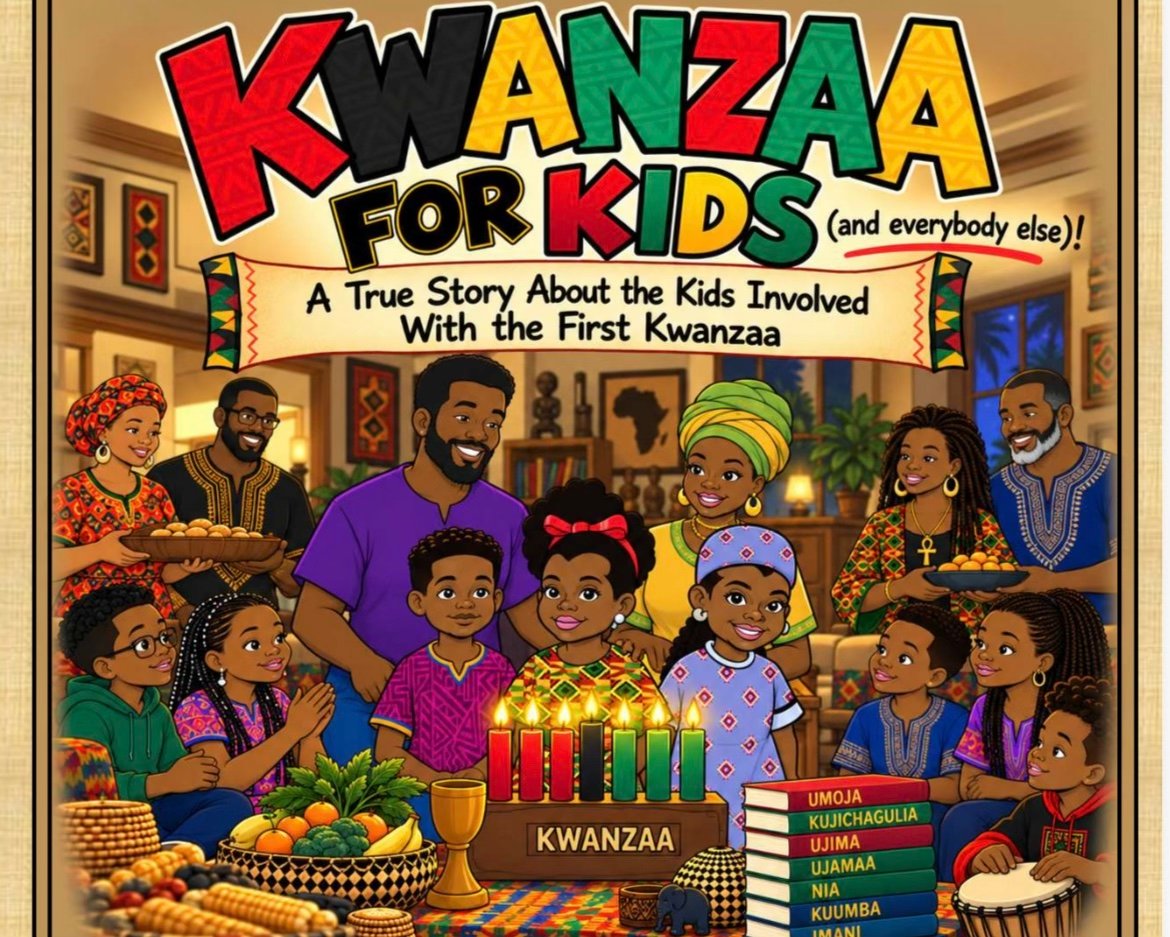
Every child can be a source of inspiration. Discover the story of Kinamo Damu, whose questions helped inspire the creation of Kwanzaa, and share the holiday’s meaning with the young people in your life.
Kwanzaa FOR KIDS – and everybody else! shares a true story about the kids involved with the first Kwanzaa. Explore the book and a related curriculum in development, bringing history, the Seven Principles, and hands-on learning together for families and educators.
From the first occasion to celebrations across generations, the spirit of Kwanzaa lives through the people who practice it.
Dec 1965
As Us Organization members discuss which holidays to keep, ten-year-old Kinamo Damu asks how African people celebrate, then insists, "We need our own holiday!"
1966
A research committee led by George Subira, with Ngao Damu, Kicheko Davis and others, studies African harvest celebrations in Los Angeles libraries.
Fall 1966
Dr. Karenga introduces the new holiday to the Us membership by writing its name on the meeting-room blackboard. A third “a” is added soon after: seven letters for seven principles, and room for a seventh child in the first celebration.
Dec 1966
The first night is celebrated in a Los Angeles apartment. Celebrations follow at the Aquarian Spiritual Center and, soon after, the first large public celebration at the Los Angeles Palladium.
1967
Sister Makinya Sibeko-Kouate meets Dr. Karenga at the Western Regional Black Youth Conference at Merritt College in Oakland. In July, Newark hosts the first Black Power Conference, with Amiri Baraka leading the effort and Dr. Karenga among its panelists.
1968
Sister Makinya founds the Kwanzaa Organizers in the Bay Area. Her public celebrations through the 1970s and '80s earn her the name “Mother of Kwanzaa.”
2025
An Nguzo Saba 60th Anniversary Kwanzaa Celebration on December 28 introduces the Black Futures Children's Literary Series: STEM 'n 'Nem, “Kwanzaa, STEM, and the Seven Principles.” About the celebration

Dec 26, 2026
Sixty years since the first Kwanzaa, the celebration begins again. See the 2026 celebrations
Seven principles connect the celebration to a year-round practice of building and strengthening community.
We carry the principles forward in our homes, classrooms, communities, and imagination.
By Shujaa Baker
The sixtieth anniversaries of the Nguzo Saba / Seven Principles (2025) and Kwanzaa (2026) are milestone occasions that inspire us to look back on what this communal value system and cultural holiday have provided for us.
By Shujaa Baker
How treating the Seven Principles like a “Black job” going forward could save the world.
By Shujaa Baker
Reconnecting with the original inspiration of the First Occasion: in ancient Kemet, the pursuit of periodic renewal to restore Maat.
Join us as we celebrate the holiday and put the Seven Principles into practice.
-- days --h --m --s until Kwanzaa begins
Saturday · December 26
WorldBeat Cultural Center
San Diego, California
A celebration for children, families, and community.
1–4 p.m. · 2100 Park Blvd, San Diego, CA 92101
Saturday · December 26
WorldBeat Cultural Center
San Diego, California
Gather in the spirit of unity on the first night of Kwanzaa.
6–9 p.m. · 2100 Park Blvd, San Diego, CA 92101
Sunday · December 27
Charles H. Wright Museum
Detroit, Michigan
Come together in celebration of self-determination.
2–5 p.m. · 315 East Warren Avenue, Detroit, MI 48201
Explore the stories, resources, and community connections already available on the site.
Honor the legacy. Live the principles. Shape the future.
Heri za Kwanzaa!
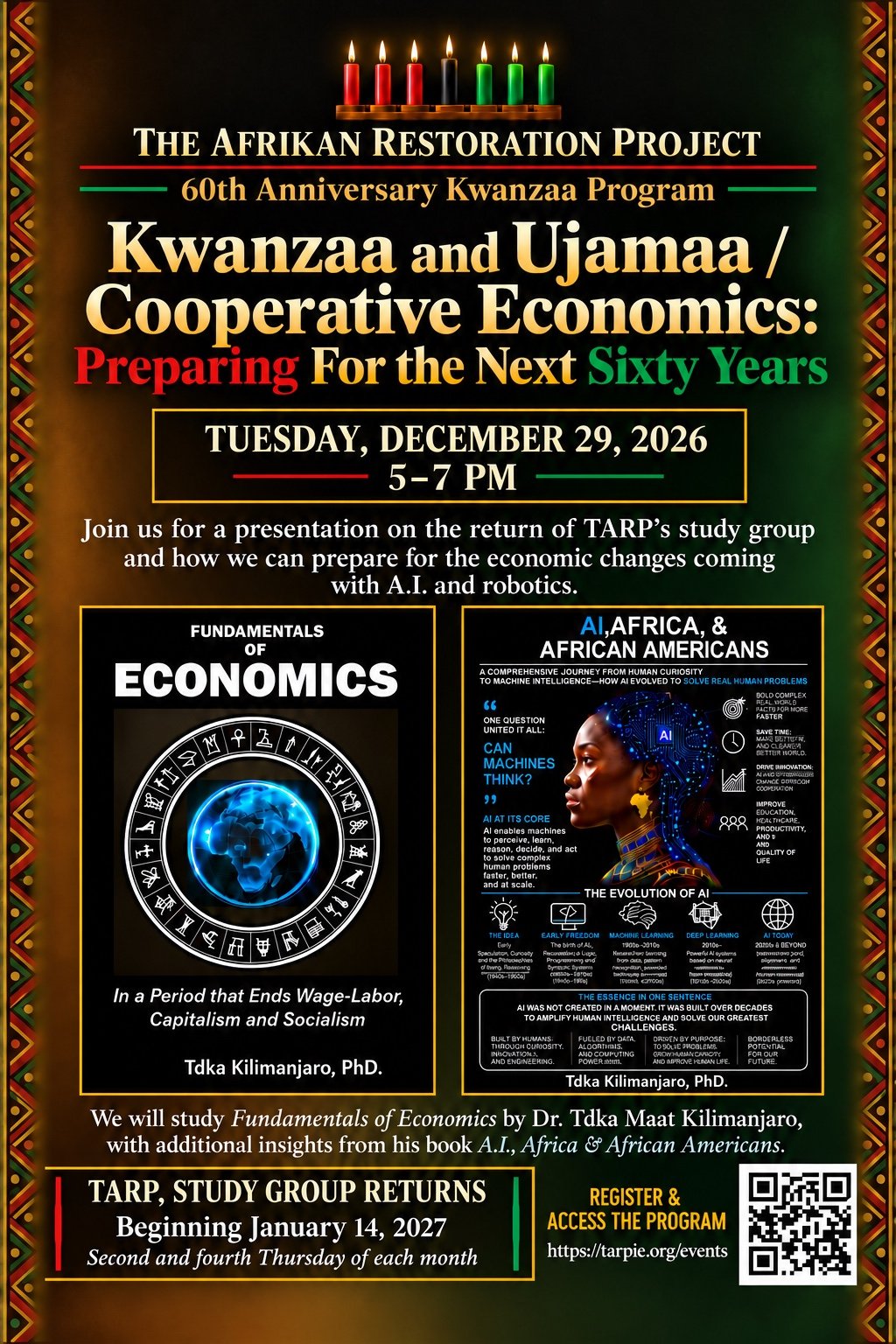
Tuesday · December 29, 2026 · 5–7 p.m.
The Afrikan Restoration Project’s 60th Anniversary Kwanzaa Program
Join a presentation on the return of TARP’s study group and how we can prepare for economic changes coming with A.I. and robotics. The group will study Fundamentals of Economics by Dr. Tdka Maat Kilimanjaro, with additional insights from his book A.I., Africa & African Americans.
Study group returns January 14, 2027, meeting on the second and fourth Thursday of each month.
Register & access the program →